Mexico study trips.
Five insights worth the journey.
Mexico City and Puebla: a two-city learning route connecting strategic decisions with the people, production systems and customer experiences behind them.
Two cities.
One coherent learning agenda.
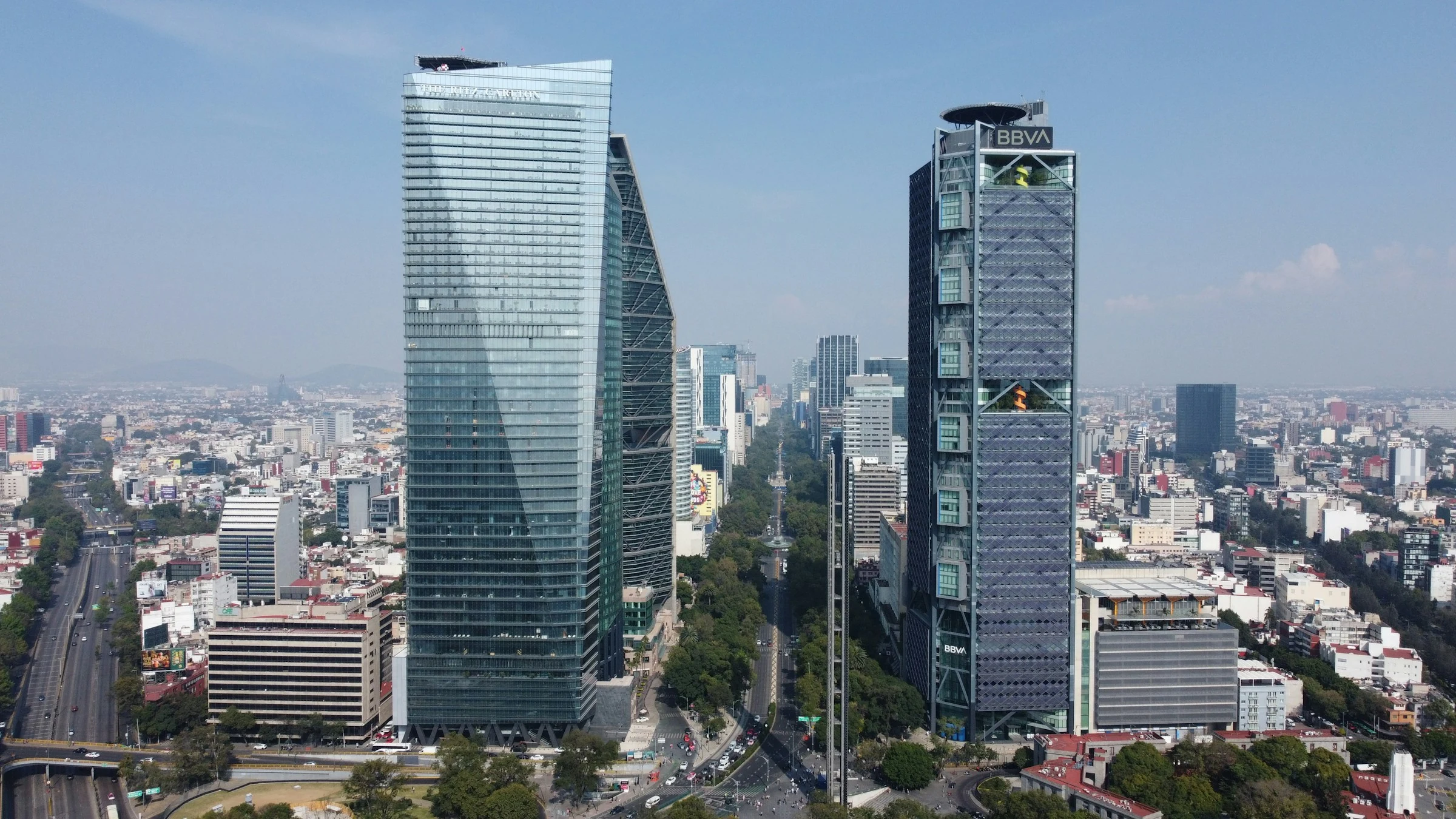
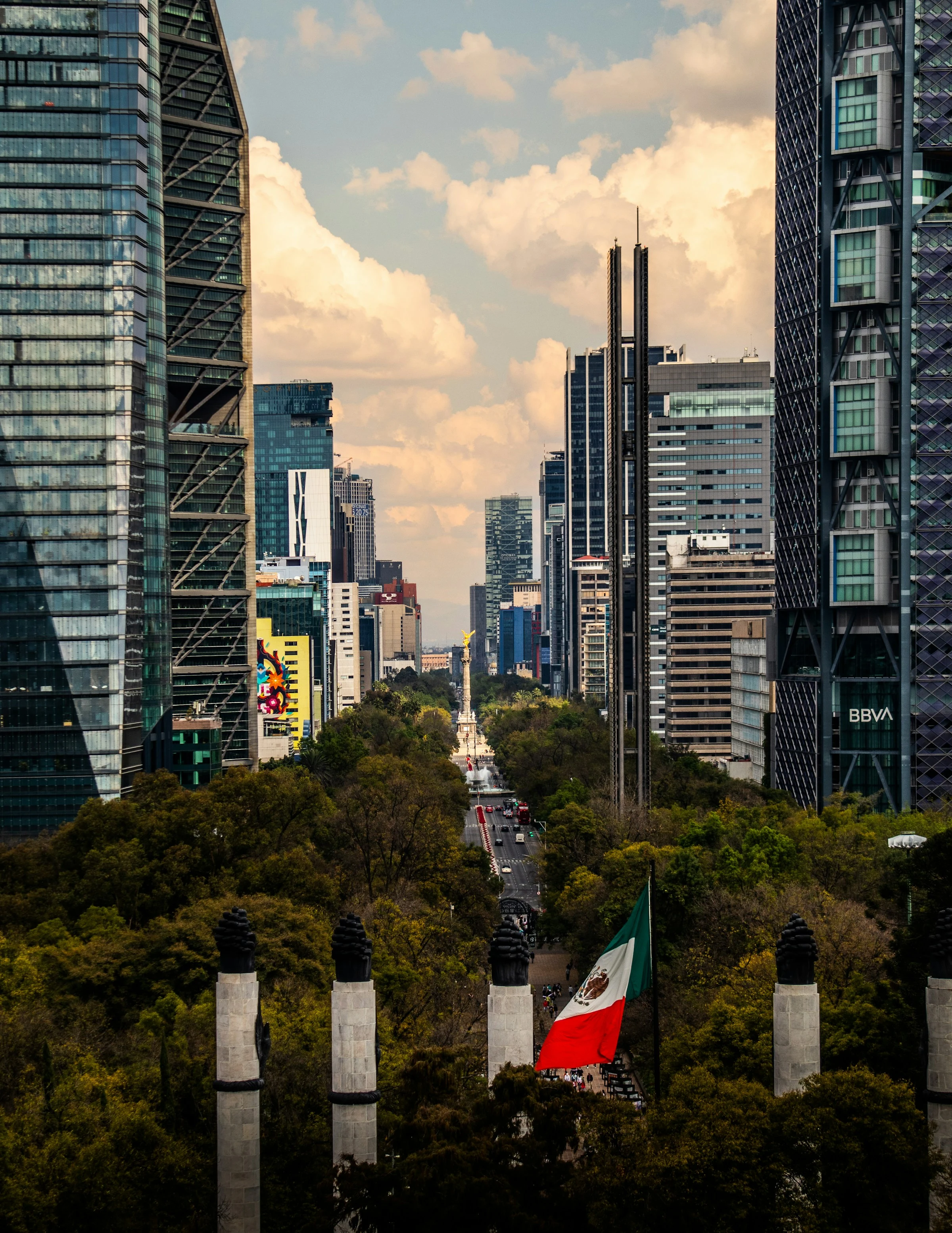
Mexico City, also known as CDMX and formerly the Distrito Federal or DF, sets the scene for conversations about strategy, finance, customers and leadership. Puebla adds an industrial and cultural perspective that can turn broad ideas into specific operating questions.
For MBA, EMBA and executive groups planning 2027, the opportunity is to connect those perspectives. The aim is a considered understanding of how businesses work, not a sequence of unrelated presentations.
What should your group investigate?
| Learning insight | Where to focus |
|---|---|
| 01 · Nearshoring is a capability decision, not just a location decision. | Mexico City + Puebla |
| 02 · The factory is a system. Automation is only one part of it. | Puebla |
| 03 · Digital finance succeeds when it solves the adoption problem. | Mexico City |
| 04 · Industrial competitiveness depends on how people learn. | Mexico City + Puebla |
| 05 · Heritage creates business value when people can experience its meaning. | Mexico City + historic Puebla |
Nearshoring is a capability decision, not just a location decision.
A shorter distance to a customer does not automatically produce a more competitive business. A Mexico study trip can move the nearshoring conversation from headlines to the operating choices behind it: supplier quality, logistics, working capital, skills, energy and customer requirements.
Why here?
Start in Mexico City with the strategic brief and a regional business perspective. Use Puebla to test those assumptions against an established industrial setting. Volkswagen identifies Puebla as the location of both its Mexican corporate offices and vehicle plant, a concrete reference for discussing the depth behind a manufacturing location.
Bring the question into the field
Ask a supply-chain or industrial expert to compare two production-location scenarios. Have the cohort build a total-cost model that includes quality, inventory, lead times and disruption.
The factory is a system. Automation is only one part of it.
A robot demonstration is a starting point. The more useful management question is how equipment, people, maintenance and supplier routines work together to deliver consistent results. Puebla gives an operations-focused cohort a reason to examine those connections.
Why here?
Use the automotive ecosystem as a lens for production discipline, integration and change. Volkswagen’s published Puebla information anchors the industrial context; a specific factory visit is a separate planning request, subject to host approval.
Bring the question into the field
Pair an operations discussion with an authorized industrial encounter where available. Trace one process from incoming components to quality control, asking where delays, rework and exceptions occur.

Digital finance succeeds when it solves the adoption problem.
A functioning payment rail and a compelling customer habit are different achievements. Mexico offers a useful setting for exploring the gap between technical possibility, commercial distribution and everyday use.
Why here?
Banco de México describes CoDi as a platform for mobile payment and collection requests using electronic transfers. That public infrastructure gives the group a concrete starting point for questions about trust, merchant acceptance, onboarding and the economics of serving different customers.
Bring the question into the field
Combine a financial-sector conversation with structured observation of payment choices in ordinary retail settings. Compare the experience of the consumer with the incentives and operational needs of the merchant.
Industrial competitiveness depends on how people learn.
Equipment can be purchased. Reliable execution must be developed. A two-city program can examine how organizations recruit, train, retain and promote the people who turn investment into performance.
Why here?
Contrast management and innovation discussions in Mexico City with an industrial skills brief in Puebla. Treat the connection between employers, educators and suppliers as a question to investigate, rather than assuming that a training model transfers unchanged between countries.
Bring the question into the field
Request a discussion with an employer, educator or training specialist. Map the path from an entry-level hire to a technically capable team leader, including assessment, coaching and progression.
Heritage creates business value when people can experience its meaning.
A city is more than a backdrop between company visits. Its streets, food, design and hospitality reveal how businesses translate identity into a customer experience. Used deliberately, cultural learning can sharpen a business discussion about differentiation and value.
Why here?
UNESCO lists Puebla’s historic center as World Heritage and describes its architecture, tile-covered buildings and historic role on the route between Veracruz and Mexico City. Use that setting to investigate how local businesses balance continuity, craft, growth and visitor demand.
Bring the question into the field
Build a guided urban observation exercise around a market, a craft or design business, and a hospitality experience. Ask participants to identify what the customer pays for beyond the physical product.

From the capital
to the operating reality.
Mexico City
Regional business context, the nearshoring decision and the cohort’s strategic questions.
Mexico City
Financial innovation, digital payments and customer adoption, followed by a facilitated comparison.
Mexico City → Puebla
Transfer with time protected for travel. An urban observation exercise connects identity with customer value.
Puebla
Manufacturing and skills discussions; an industrial encounter where access is confirmed.
Puebla / onward travel
Cohort synthesis: defend an investment or market-entry recommendation and identify the evidence still needed.
This is a learning structure, not a confirmed itinerary. Timing, transport, venues and host availability shape the final program.
Planning your 2027 Mexico study trip.
Who is this route designed for?
MBA and EMBA cohorts, executive education groups and leadership teams examining international strategy, operations, financial innovation or customer experience. The brief determines which of the five themes receives the most time.
Why combine Mexico City and Puebla?
The two-city format lets a group compare strategic and customer-facing questions in the capital with an industrial and heritage perspective in Puebla. Use both only when that comparison serves the learning objectives.
Can we visit Volkswagen or Banco de México?
They are relevant public research references, not confirmed hosts. KNOHAO assesses meeting requests and alternatives against your objectives, dates and host approval.
Can the program be delivered in English?
Tell us the language requirements when briefing the program. English-speaking sessions and interpretation needs are agreed with hosts and included in the confirmed agenda.
Can we add AI and robotics?
Yes. Frame them within an operations or business model question: where automation improves a process, which data is needed and how an organization measures the result. Technical depth depends on the confirmed speakers and encounters.
Sources and further reading
Public references checked October 20, 2026. The learning recommendations are KNOHAO’s editorial interpretation.
- Volkswagen de México: corporate information and Puebla plant
- Banco de México: CoDi digital payments
- UNESCO: Historic Centre of Puebla
Explore Mexico executive study trips, compare 10 business school study trip destinations, or read our 2027 AI and robotics destination guide.
What should Mexico help your group understand?
Share your cohort, dates and learning objectives. We’ll shape a Mexico City–Puebla study trip around the questions that matter.